Research
The majority of stars have companions, making binary and triple star systems a fundamental part of stellar evolution. My work focuses on understanding the physical processes that shape the evolution of multiple star systems and their population-wide properties. See Publications for a full list of papers.
Triple Stars
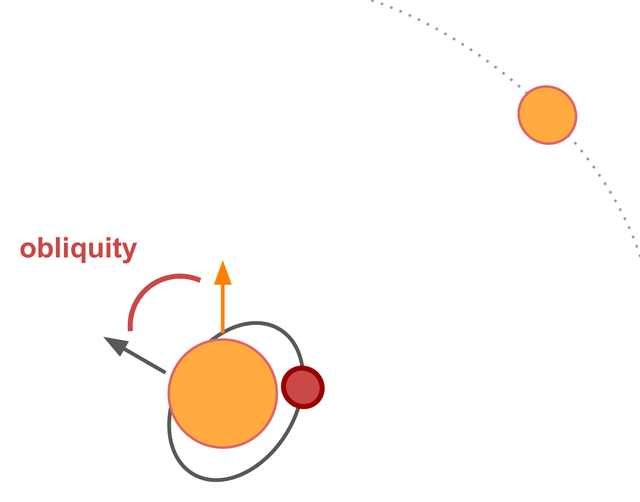
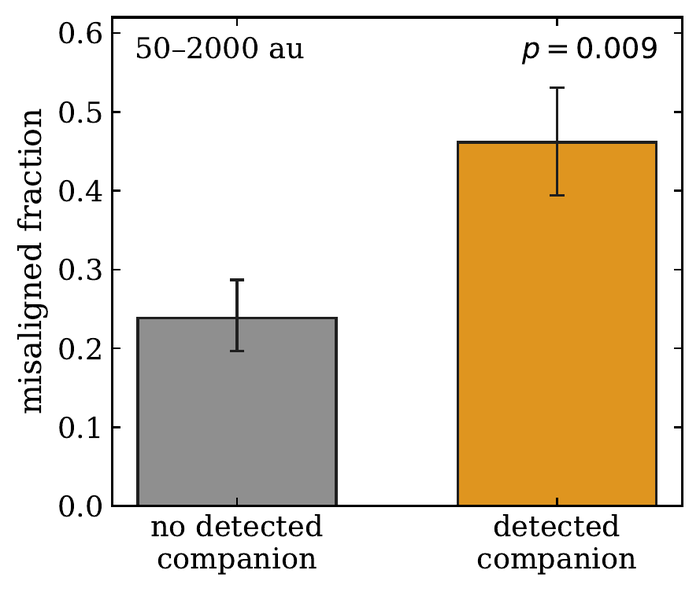
Triples are common and dynamically rich, offering a natural laboratory for studying stellar mergers, population evolution, and the origins of exotic stellar phenomena. Much of my work on triples is carried out in collaboration with Smadar Naoz, focusing on how 3-body dynamics couple to stellar evolution and mass transfer.
Binary Stars
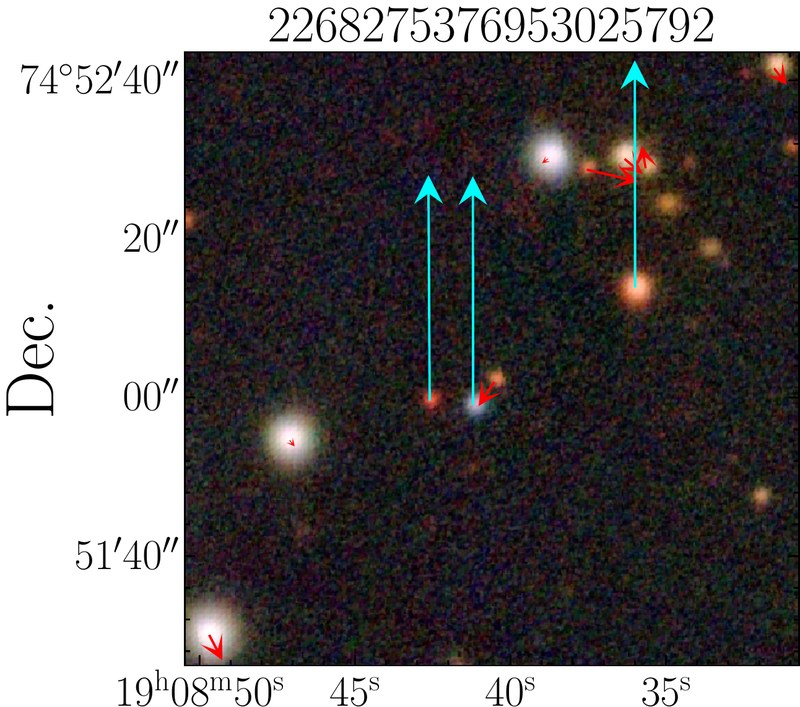
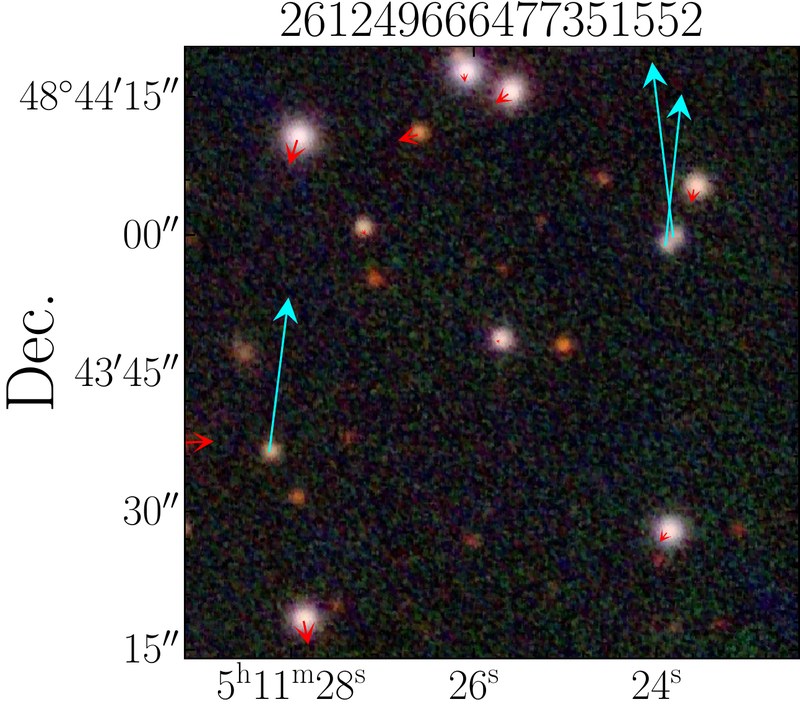
Binaries are ubiquitous and form the inner building blocks of triples and higher-order systems. I’m interested in understanding the physical processes that govern binary evolution, such as constraining the outcomes of binary mass transfer, through observations and theoretical modeling.
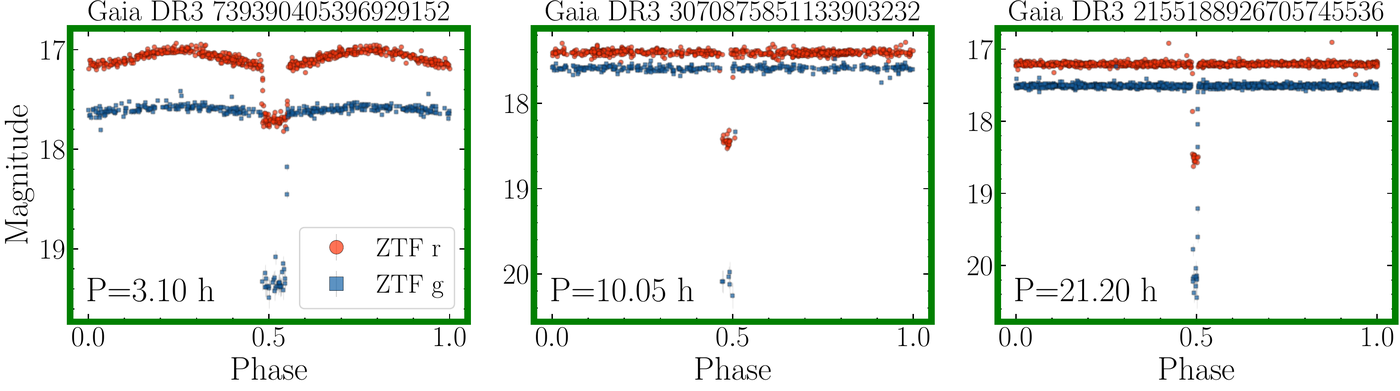
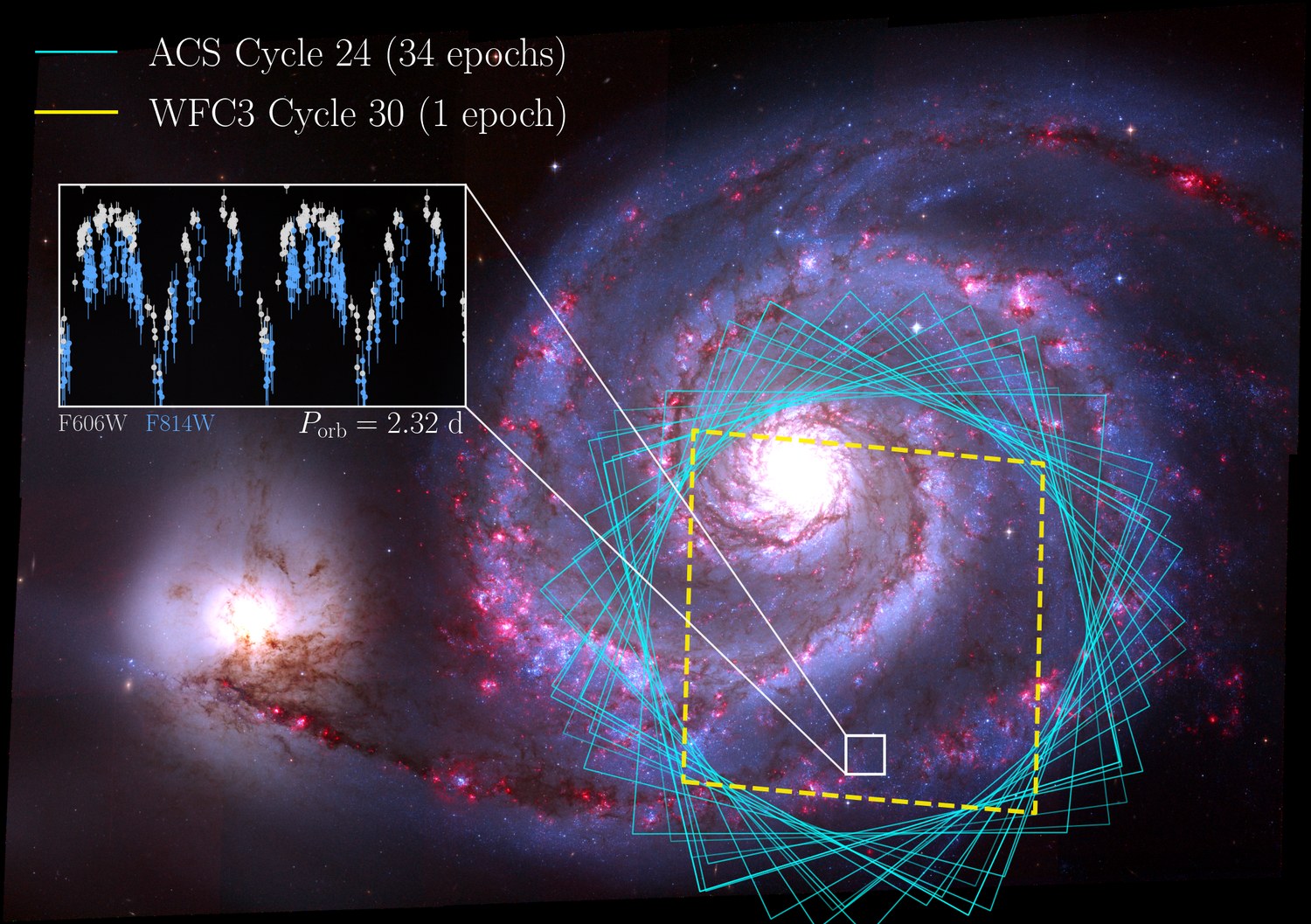
I also study binary populations in other galaxies, from ultra-faint dwarfs to the Whirlpool Galaxy.
Broader Interests
Alongside these core themes, I remain curious about related problems across astrophysics, many of which still involve binaries. I have used wide binaries to calibrate the precision of stellar ages and Gaia to test whether long secondary periods in red giants have a binary origin. I am also interested in planets, including how stellar companions shape hot Jupiters and how multi-planet systems form.